Tether’s USDT supply on Ethereum and TRON fell by a combined $8.1 billion over 60 days, CryptoQuant reported on November 26, 2026. It was the largest 60-day contraction since August 2022. Almost all of the decline came from Ethereum: USDT supply on TRON was nearly unchanged, whereas growth on TRON had partly offset a similar decline on Ethereum in mid-2026.
Tether burned $4 billion in USDT on Ethereum on November 2 and another $4 billion on November 20. The burns permanently removed those tokens from circulation, reducing Ethereum’s USDT supply from $88.3 billion to $80.3 billion, its lowest level since August 2025. The decline followed a broader contraction in stablecoin supply reported earlier in November.

What the supply change says about Bitcoin
Traders use stablecoins such as USDT to buy crypto. In CryptoQuant’s analysis dating back to 2022, Bitcoin’s two-month return averaged nearly −10% when USDT supply was shrinking, compared with about +8% when it was growing. None of Bitcoin’s 39 record closing prices in that period came during a contraction. Bitcoin did rebound at times while supply was falling, however, and its sustained rebound in 2023 preceded renewed USDT growth.
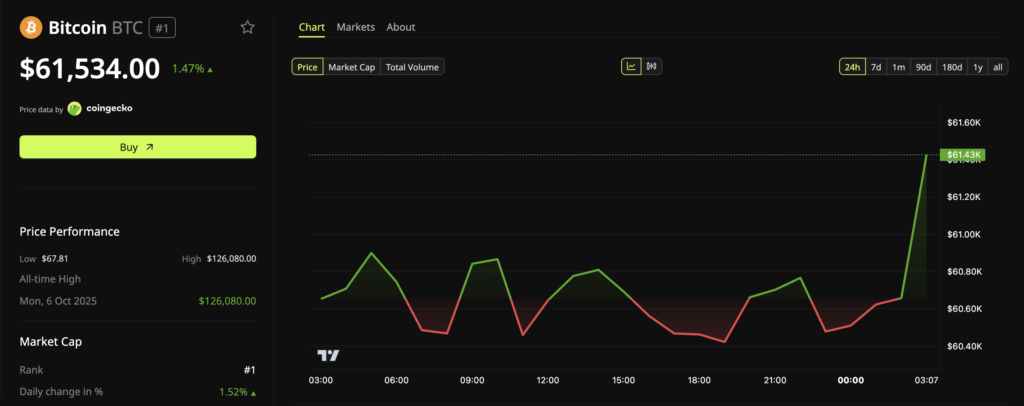
Bitcoin traded at $61,534 on November 27, less than half its October 2025 record. CryptoQuant noted that Bitcoin had been in the late stages of a bear market the last time USDT supply fell this quickly. That comparison does not establish a price floor. On-chain analytics firm Santiment said a bottom would require signs that traders buying price dips had exhausted their demand. Galaxy said only two of its 13 historical bottom signals had appeared.
Signs of a shift would include USDT supply stabilizing on Ethereum and the combined 60-day supply change turning positive. Tether’s treasury sending out more USDT than it receives would offer a separate indication of fresh demand for the stablecoin rather than redemptions.