Standard Chartered-backed Zodia Custody discovered on November 24, 2026, that an unauthorized party had accessed company information and contact details for some institutional clients and employees. The investigation had found no unauthorized transactions, CEO Richard Clark told Reuters.
Zodia detected attempts to probe its systems on November 23 and temporarily disabled the software institutional clients use to connect directly to its platform. It discovered the unauthorized access the next day. Zodia has since restored the service and notified affected clients and regulators. It has not disclosed who gained access, how they got in or the full extent of the breach.
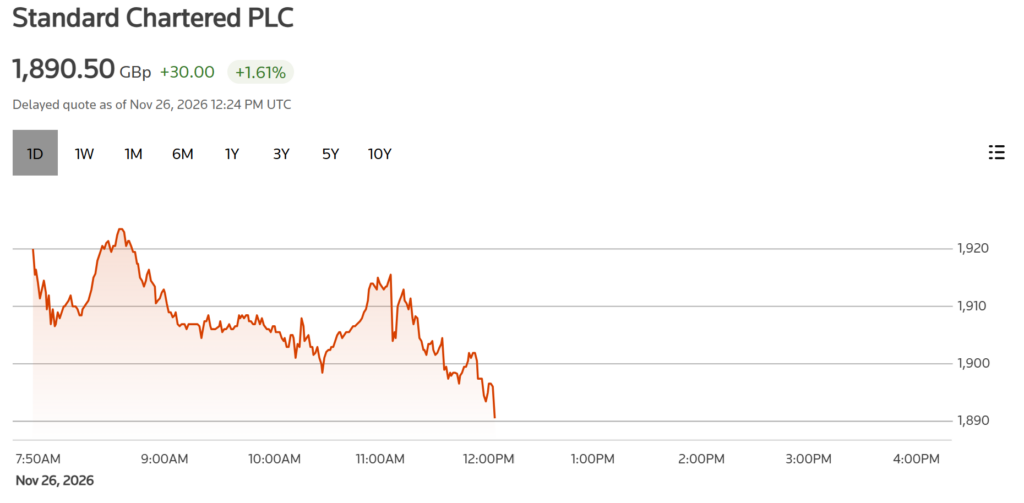
The incident came weeks after Standard Chartered signed agreements to take full ownership of Zodia. The bank’s shares rose 2.6% during trading on November 26.

Contact data and asset custody carry different risks
Specialist custodians safeguard assets for institutional investors, including crypto funds. BlackRock’s spot Bitcoin ETF, for example, uses Coinbase Custody, with Anchorage Digital Bank as an alternative custodian. The Zodia breach illustrates a risk distinct from asset theft: exposed contact details could help someone impersonate a financial institution or target clients and employees with phishing messages.
European rules also distinguish between asset losses and data exposure. Under the EU’s Markets in Crypto-Assets Regulation (MiCA), licensed custodians are liable for crypto assets or private keys lost in incidents attributable to them. Separate data protection laws govern personal data breaches, while the Digital Operational Resilience Act requires reporting of major technology incidents.