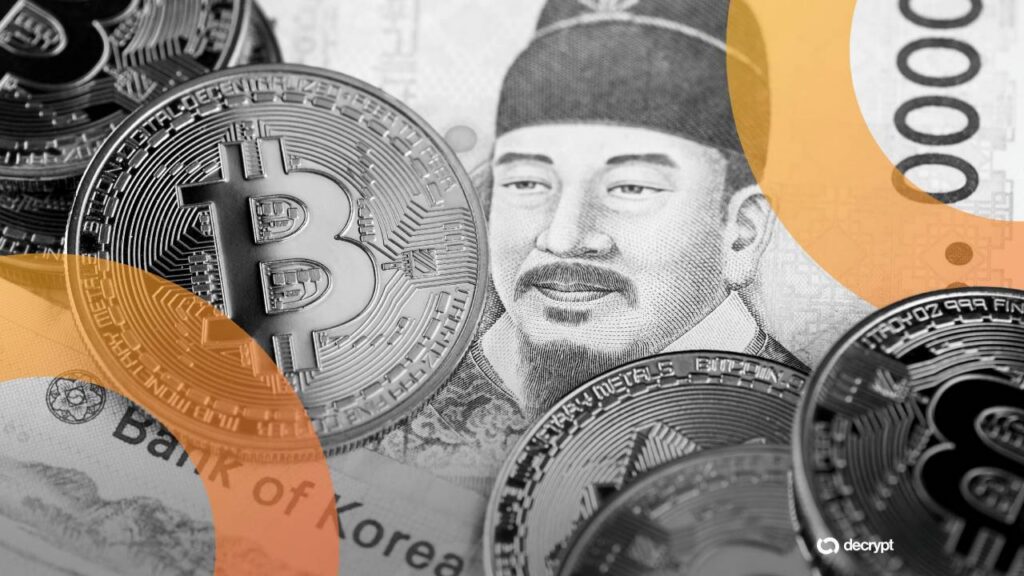
South Korea’s Financial Services Commission (FSC) unveiled a draft bill on November 24, 2026, that would allow domestic projects to raise money through initial coin offerings (ICOs) for the first time in nine years. The ban remains in force: the National Assembly must approve the legislation before public token sales can resume.
Under the proposed Act on Digital Asset Industry Innovation and User Protection, issuers would have to file a “digital asset white paper” with the FSC before selling tokens. It would describe the project, explain how the issuer plans to use the proceeds, state how many tokens it will issue and disclose the risks. Issuers and their executives could face civil damages, financial penalties and possible criminal prosecution for false statements or omissions. The draft takes that approach from the disclosure rules for stock offerings.
Regulators imposed the ban in September 2017 over concerns about fraud, speculation and investor losses. In their assessment, the ban largely shifted fundraising offshore: Korean projects set up entities abroad to conduct token sales, as game developers Wemade and Netmarble did. The FSC says it wants to bring that activity, investment and employment back to South Korea.
The bill would also limit issuance of won-backed stablecoins to consortiums in which commercial banks hold a majority stake. It would cap any single major shareholder’s stake in a crypto exchange at 20%, or 34% under certain conditions. Other provisions would extend market-manipulation rules to crypto-to-crypto trades and establish regulatory categories for exchanges, trading, brokerage, custody and asset management. The final rules and the timetable for any changes remain unsettled.